

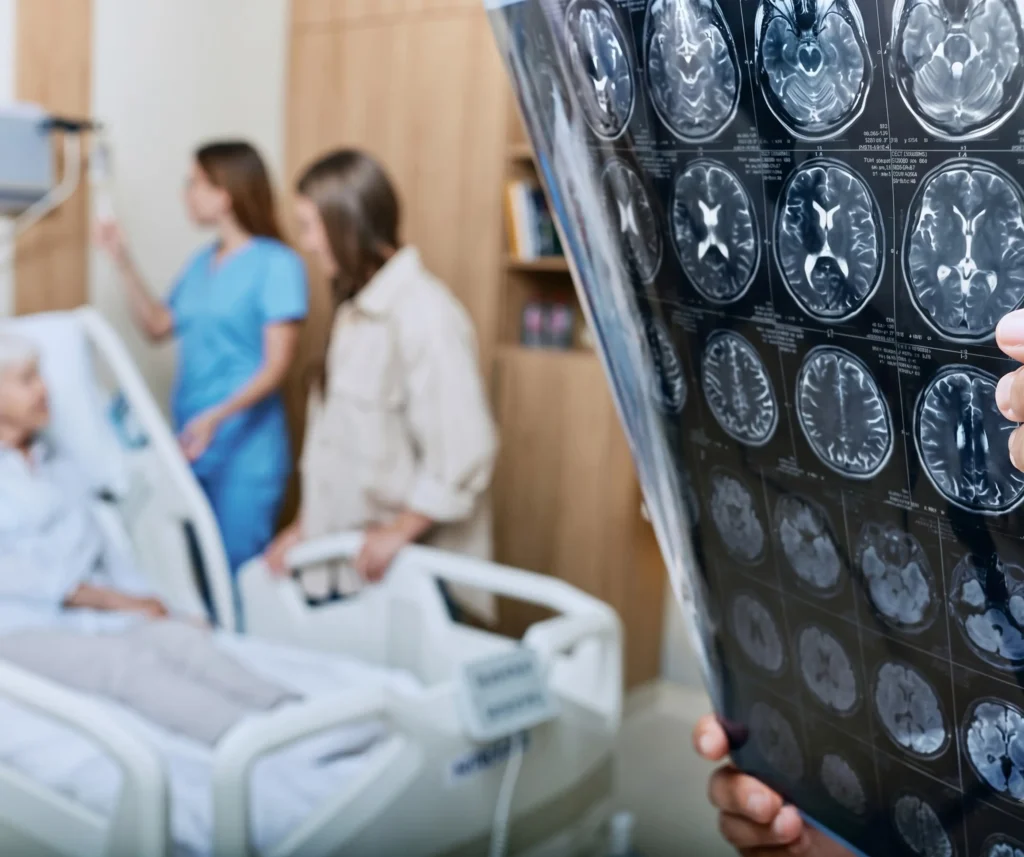

Neurology & Neurosurgery Treatment in India

Advanced Brain, Spine & Nerve Care with Specialist Teams, Modern Technology and International Patient Support

About the Disease

Overview

Neurological conditions affect the brain, spinal cord, nerves and movement. They include stroke, epilepsy, brain tumors, Parkinson's disease, aneurysms, AVMs and complex spine conditions. Some require emergency treatment, while others need long-term medical care, surgery or rehabilitation.

The global need for neurological care is substantial. WHO reports that neurological conditions affect more than 1 in 3 people worldwide and are the leading cause of ill health and disability globally. (World Health Organization)

Stroke is one of the biggest contributors to this burden. In 2021, there were an estimated 93.8 million people living with stroke globally and 11.9 million new strokes. WHO also estimates that 1 in 4 adults will experience a stroke during their lifetime. (World Health Organization)

India has developed a large medical-travel ecosystem for specialist care. In 2025, 507,244 foreign nationals travelled to India specifically for medical treatment, representing approximately 5.5% of all foreign tourist arrivals. The Government of India specifically lists neurological interventions among the specialised treatments sought by international patients. (Press Information Bureau)

More than 1 in 3

People affected by neurological conditions globally

Sources: World Health Organization; Government of India, Ministry of Tourism/Press Information Bureau.
93.8 million

Global stroke cases in 2021

Sources: World Health Organization; Government of India, Ministry of Tourism/Press Information Bureau.
11.9 million

New strokes in 2021

Sources: World Health Organization; Government of India, Ministry of Tourism/Press Information Bureau.
About 1 in 4 adults

Lifetime risk of stroke

Sources: World Health Organization; Government of India, Ministry of Tourism/Press Information Bureau.
507,244

Foreign medical-treatment arrivals in India, 2025

Sources: World Health Organization; Government of India, Ministry of Tourism/Press Information Bureau.
5.5%

Medical tourism share of India's FTAs, 2025

Sources: World Health Organization; Government of India, Ministry of Tourism/Press Information Bureau.

Why International Patients Choose India for Neurological Care

Patients and families may consider India when they need specialist neurological treatment, a second opinion, complex surgery or rehabilitation.

Specialist

Specialist Multidisciplinary Teams

Complex neurological cases may involve neurologists, neurosurgeons, neurointerventional specialists, neuroradiologists, neuro-oncologists, neuro-intensivists and rehabilitation specialists.

Advanced

Advanced Treatment Options

Depending on the condition, leading centres offer procedures such as mechanical thrombectomy, aneurysm coiling, stereotactic radiosurgery, minimally invasive neurosurgery, epilepsy surgery and deep brain stimulation.

Comprehensive Care

Many neuroscience centres combine diagnosis, surgery, intensive care and rehabilitation within the same healthcare system. Apollo, for example, describes dedicated neuro-intensive care, neuroimaging, neurosurgery and neurorehabilitation services for international patients.

Why International 1

Cost Advantage

India is widely promoted as a medical-value-travel destination because treatment can be more affordable than comparable private care in many high-income countries. The actual saving varies by treatment, hospital, technology and patient complexity for indicative figures rather than a blanket percentage.

Neurology & Neurosurgery Treatments in India

India provides treatment for a broad range of neurological and neurosurgical conditions. The following are among the most relevant treatment areas for international patients.

Talk to an Expert Not sure which treatment you need?

Brain Tumor Treatment

Advanced treatment for benign and cancerous brain tumors to control tumor growth, relieve pressure, and preserve neurological function.

Stroke Treatment & Neurointervention

Advanced emergency stroke care with rapid brain imaging, clot-busting medication, and mechanical thrombectomy for eligible patients.

Epilepsy Treatment & Surgery

Advanced epilepsy care for difficult-to-control seizures, using medicines, EEG, brain imaging, surgery, laser procedures, and neurostimulation.

Parkinson's Disease & Movement Disorders

Specialist care for Parkinson’s disease, tremor, dystonia, and other movement disorders using medicines, rehabilitation, and deep brain stimulation (DBS) when appropriate.

Brain Aneurysm & AVM

Advanced treatment for brain aneurysms and AVMs using minimally invasive endovascular procedures, surgery, embolisation, or radiosurgery to reduce bleeding risk.

Spine & Spinal Cord Surgery

Advanced care for complex spinal and spinal cord conditions using minimally invasive surgery, decompression, tumor removal, and spinal reconstruction to relieve pressure and improve function.

Safety, Quality & Accreditation

Neurological and neurosurgical treatment can be complex. When comparing hospitals in India, look beyond the hospital brand.

What International Patients Should Check

  • Specialist expertise — does the hospital have specialists experienced in the specific procedure or condition?
  • Multidisciplinary care — can neurology, neurosurgery, neurointervention, intensive care and rehabilitation teams work together?
  • Neuro-ICU facilities — are specialised neurological intensive-care services available if needed?
  • Technology — does the centre have the imaging, navigation, operating and intervention technology required for your procedure?
  • Hospital accreditation — check whether the hospital holds relevant NABH and/or JCI accreditation, where applicable, and verify the current accreditation status.
  • International patient services — look for medical-record review, language support, travel coordination and post-treatment follow-up. Established Indian centres advertise these services for overseas patients.

Neurology & Neurosurgery Cost in India

How Much Does Neurological Treatment Cost in India?

There is no single price for neurological treatment in India. Costs generally fall in the range of USD 3,000–8,000 for less complex procedures and interventions, rising to USD 15,000–30,000 for major surgery such as deep brain stimulation or complex aneurysm treatment. Most international patients pay significantly less than they would for comparable private treatment in the US, UK or Western Europe — but the exact saving depends heavily on the individual case.

” Ranges are indicative, compiled from published pricing across multiple India-focused medical-travel platforms and hospital cost pages, and cross-checked against’s India neurology benchmark below. Your actual cost depends on your specific diagnosis and chosen hospital. “

How India Compares

the average cost of neurology treatment in India at approximately $7,429, describing savings of up to 70% compared with equivalent treatment in Western countries.) For context, the same source estimates that complex neurosurgical procedures costing $80,000–$150,000 in the US or UK are often available for a fraction of that at accredited hospitals abroad, India included.

What’s typically included in a quoted package: medical consultation and assessment, pre-operative tests, the surgical procedure and anaesthesia, hospital stay and nursing care, and immediate post-operative follow-up. Accommodation, travel, extended rehabilitation, and implant/device costs (relevant for DBS and aneurysm coiling) are frequently priced separately — always confirm exactly what’s bundled into any quote you receive, from ASAR Care or elsewhere.

Get a Personalised Treatment Estimate

Rather than relying only on generic online prices, ASAR Care provides a written estimate after specialist review of your medical records.

Important: The ranges above are indicative. Your final estimate should be confirmed in writing before you travel and should clearly state what is included and excluded.

Neurological Diagnosis & Medical Record Review

International patients do not always need to repeat every test before receiving a specialist opinion. You can send your existing medical records for review, which can help the specialist determine whether additional tests or an in-person assessment are required.

Helpful documents include:

  • MRI scans and reports.
  • CT scans and reports.
  • EEG/video EEG reports.
  • Angiography images.
  • Pathology or biopsy reports.
  • Previous operation notes.
  • Medication list.
  • Previous discharge summaries.
  • Rehabilitation records.
Medical Record Review

Common Neurological Tests

Patient Seamless Care Journey

Pre-Travel Preparation
1

Patient Discovery & Case Intake

  • Secure submission of medical reports, scans, and health records.
  • AI-assisted case intake and multilingual support.
  • Initial case evaluation to determine treatment suitability.

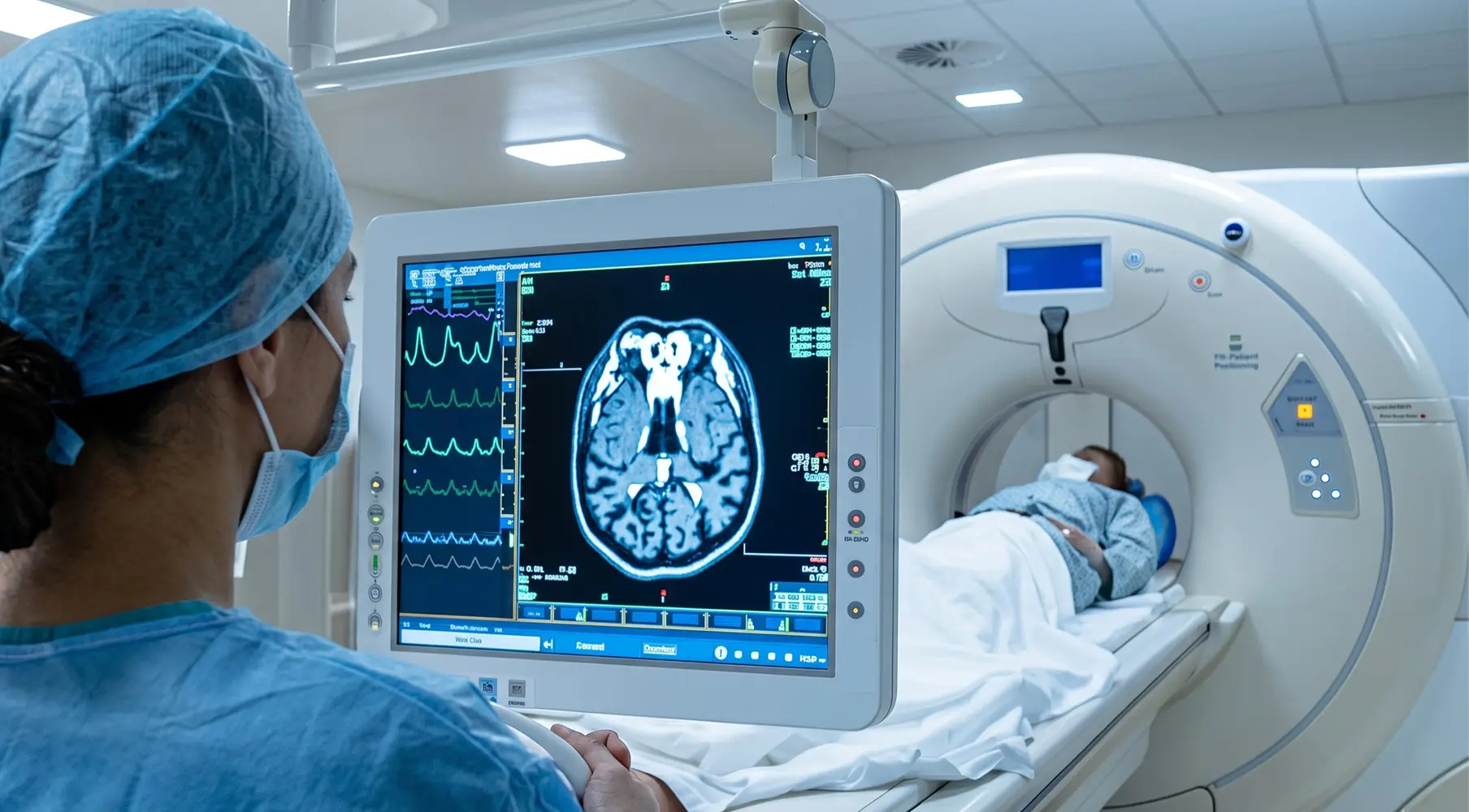
Diagnostic & Treatment Planning

  • Specialist review of medical records and imaging.
  • Identification of diagnostic gaps and second opinion if required.
  • Personalized treatment plan with hospital and specialist recommendations.
2
Diagnostic and Treatment Planning
Pre-Travel Preparation
3

Pre-Travel Preparation

  • Medical visa guidance and travel assistance.
  • Accommodation planning and transparent treatment cost estimate.
  • Secure payment support and pre-arrival patient guidance.

Arrival & Local Care Navigation

  • Airport pickup and local transportation.
  • Dedicated international patient coordinator.
  • Interpreter services and seamless hospital admission support.
4

Arrival and Local Care Navigation
Treatment and Clinical Coordination
5

Treatment & Clinical Coordination

  • Coordination of consultations, diagnostics, and procedures.
  • Dedicated case manager overseeing your care.
  • Real-time updates and seamless communication throughout treatment.

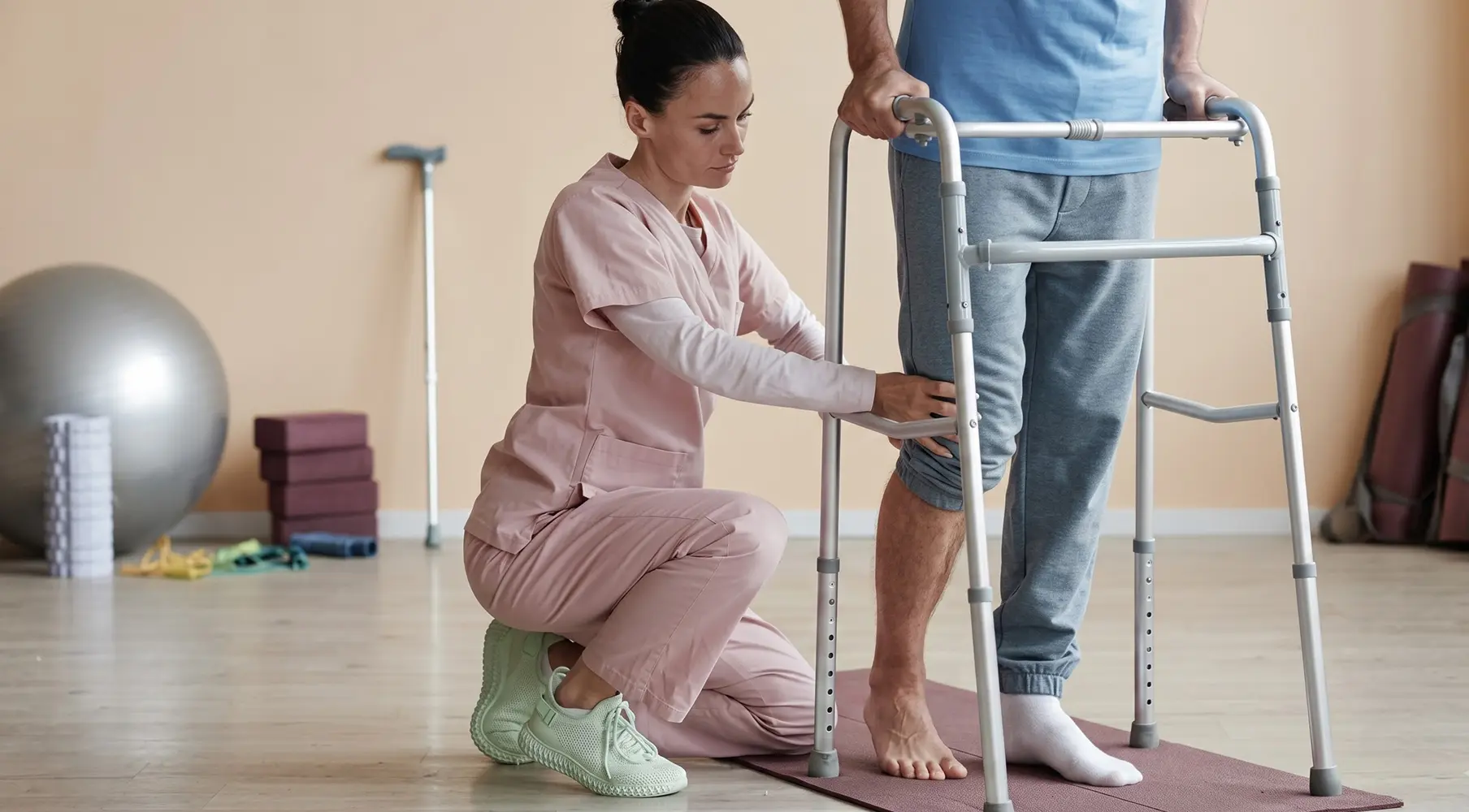
Recovery & Rehabilitation

  • Post-treatment monitoring and recovery support.
  • Physiotherapy, rehabilitation, medication, and nutrition guidance.
  • Personalized discharge planning for a safe recovery.
6
Recovery and Rehabilitation
Return-Home Continuity of Care
7

Return-Home Continuity of Care

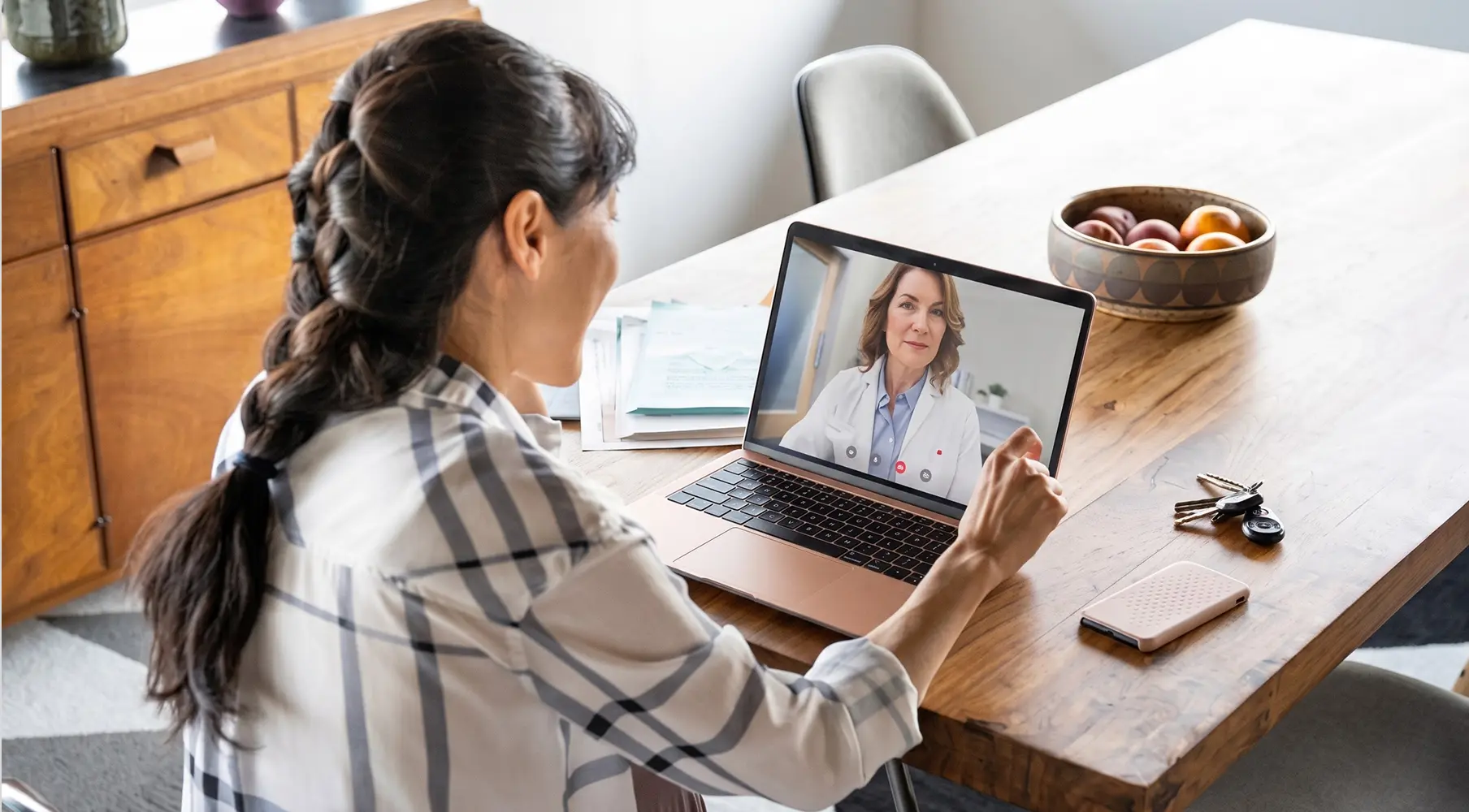
  • Virtual follow-up consultations with treating specialists.
  • Secure digital medical records and treatment summaries.
  • Coordination with your local physician for continued care.

Long-Term Monitoring & Wellness

  • Ongoing health monitoring and preventive care plans.
  • Lifestyle and wellness guidance.
  • Long-term follow-up to support lasting health outcomes.
8

Long-Term Monitoring and Wellness
Neurology & Neurosurgery Specialists

Neurology & Neurosurgery Specialists

ASAR Care collaborates with leading neurologists, neurosurgeons, neurointerventionalists, and spine specialists across top partner hospitals. Our experts offer advanced diagnosis, stroke intervention, minimally invasive brain & spine surgery, and comprehensive neuro-rehabilitation.

Loading doctors…

Neurology & Neurosurgery Hospitals

Neurology & Neurosurgery Care Network

ASAR Care collaborates with leading neurosciences centres and tertiary hospitals across India. Our partner facilities offer dedicated stroke units, advanced neuro-ICUs, neuro-navigation surgical suites, minimally invasive spine surgery, and comprehensive neuro-rehabilitation.

Loading neurology & neurosurgery hospitals…

Recovery & Neurorehabilitation

Rehabilitation May Include

Physiotherapy, occupational therapy, speech and language therapy, cognitive rehabilitation, balance and gait training, swallowing therapy, psychological support, and family education.

After stroke

rehabilitation may focus on movement, speech, swallowing, balance and independence.

After brain surgery

patients may need wound care, neurological monitoring, medication management and gradual return to normal activities.

After spine surgery

recovery may include mobility exercises, physiotherapy and temporary restrictions on lifting or strenuous activity.

Before Flying Home

Your treating team should confirm you are fit to travel. Discuss any medical evacuation or special travel needs before discharge, especially after serious neurological illness.

Care After You Return Home

Neurological treatment often continues after the patient returns home. ASAR Care can help coordinate:

Follow-up consultations

Medication information

Repeat MRI/CT review

Rehabilitation

Communication with your local doctor

Post-operative monitoring

Long-term neurological care

Travel Insurance

If you have a pre-existing condition such as epilepsy, Parkinson’s disease or previous stroke, check your travel insurance policy before travelling. Coverage for pre-existing conditions varies by insurer and country.

Testimonials

Trusted by Patients Worldwide

Patients from across the globe trust ASAR Care for safe, transparent, and well-coordinated treatment journeys in India.

F
Fatima O. Nigeria
5.0

“The language support and personal care coordinator made me feel at home. My surgery was successful and the follow-up continues.”

A
Ahmed K. UAE
5.0

“I saved over 70% compared to treatment costs in my country, with the same world-class quality. Highly recommend!”

S
Sarah M. Kenya
5.0

“ASAR Care made my cancer treatment journey seamless. From visa to recovery, everything was handled professionally.”

“Traveled from Iraq for my mother’s spine surgery with Dr. Sandeep Vaishya at FMRI, Gurugram. Seamless coordination, expert surgical care, and an amazing team—deeply grateful!”

- Hussein J.

“Traveled from the Netherlands to FMRI, Gurugram, for MS stem cell treatment with Dr. Rahul Bhargava. Seamless experience, attentive staff, and outstanding care—deeply grateful!”

- Auke Dijkstra.

“I’m truly grateful to Dr. Salil Jain and the Fortis Gurugram team for three years of exceptional dialysis care, allowing me to seamlessly continue my job and daily routine.”

- Lalit Kumar.

Frequently Asked Questions

Find answers to common questions international patients have about receiving treatment in India through ASAR Care.

Safety depends on the hospital, specialist, procedure and patient's condition. Compare relevant accreditation, specialist experience, neuro-ICU capability, technology and rehabilitation services before choosing a centre.

Yes. You can share your MRI, CT, EEG, pathology reports and previous treatment records for specialist review before making travel arrangements.

Major neuroscience centres treat brain tumors, stroke, epilepsy, Parkinson's disease, movement disorders, aneurysms, AVMs, spinal disorders, spinal tumors, head injuries and other neurological conditions.

For selected conditions, surgeons may use endoscopic, microsurgical, navigation-assisted or other minimally invasive approaches.

Yes, selected neuroscience centres provide stereotactic radiosurgery for appropriate brain conditions.

Yes. Specialist epilepsy teams can evaluate patients whose seizures remain uncontrolled despite medication and determine whether surgery or another advanced treatment is suitable.

Yes. DBS is available at specialist movement-disorder centres for selected patients.

India has specialist stroke and neurointervention services, including mechanical thrombectomy for selected patients. However, acute stroke should be treated immediately at the nearest capable emergency centre rather than delaying care for international travel.

Yes. Specialist centres provide pediatric neurosurgical care for selected brain, spine and congenital neurological conditions.

Costs typically range from about $3,000 for less complex procedures to $30,000 for major surgery such as DBS, depending on diagnosis and hospital. For a procedure-by-procedure breakdown, or request a personalised written estimate.

It depends on the diagnosis and treatment. Your specialist can provide an estimated hospital stay and recovery timeline after reviewing your medical records.

Send your latest scans, reports, previous surgery notes, pathology reports, EEG results, medication list and discharge summaries where available.

Services may include medical-record review, appointment coordination, travel assistance, interpreters, accommodation support and post-treatment follow-up. The exact services depend on the hospital and care provider.

Neurology & Neurosurgery Technology

Diagnostic Technology

Surgical & Interventional Technology

References & Medical Disclaimer

Key References

  • World Health Organization — Global Status Report on Neurology, 2025. Neurological conditions affect more than 1 in 3 people and are the leading cause of ill health and disability worldwide. (World Health Organization)
  • World Health Organization — Stroke Fact Sheet, 2025. Global stroke statistics, risk and emergency-care information. (World Health Organization)
  • Government of India, Press Information Bureau — Medical and Wellness Tourism in India, 2026. 507,244 foreign medical arrivals in 2025 and neurological interventions listed among specialised treatments sought by international patients. (Press Information Bureau)
  • Apollo Hospitals — International Neurology & Neurosurgery Services. Examples of neurological and neurosurgical services and international-patient support. (Apollo Hospitals — Neurology & Neurosurgery Department.)

Medical Disclaimer

This page is for general educational information only and does not provide medical advice, diagnosis or treatment. Neurological and neurosurgical treatment decisions should be made with a qualified specialist after an individual assessment. Treatment availability, outcomes, costs, hospital stay and recovery vary between patients.

International Patient Disclaimer

International patients should obtain a specialist assessment before arranging travel. Emergency conditions, including acute stroke, should be treated immediately at an appropriate local emergency facility and should not be delayed for international travel.